Welcome to Liyuan Theater! We sincerely invite you to follow our viewing group and come to the live venue to experience the unique charm of Peking Opera.
This time, we have carefully selected two classic opera excerpts for you – "Dismounting the Horse" and "The Story of the Black Pot" – which are considered masterpieces among the classics. Even if you have never been exposed to Peking Opera before, there is no need to worry at all. The brilliant performances and lively storytelling will make it easy for you to immerse yourself.
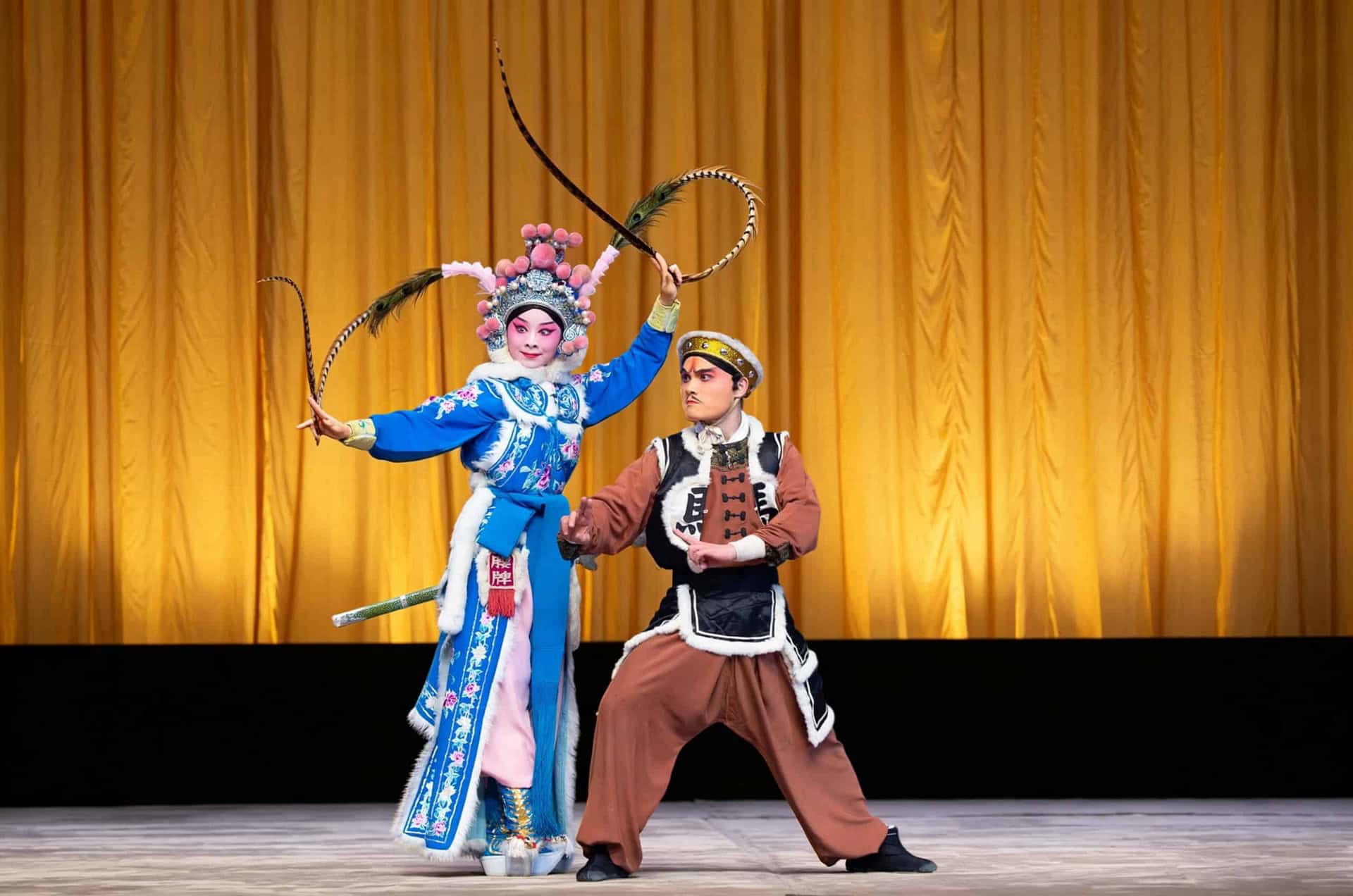
First Excerpt: "Dismounting the Horse"
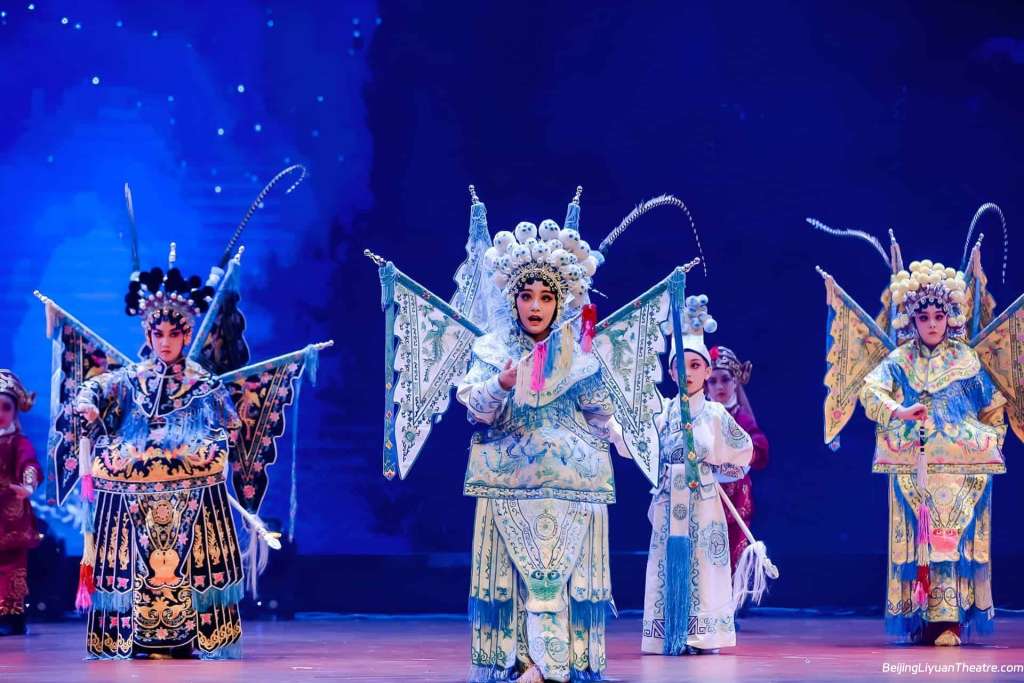
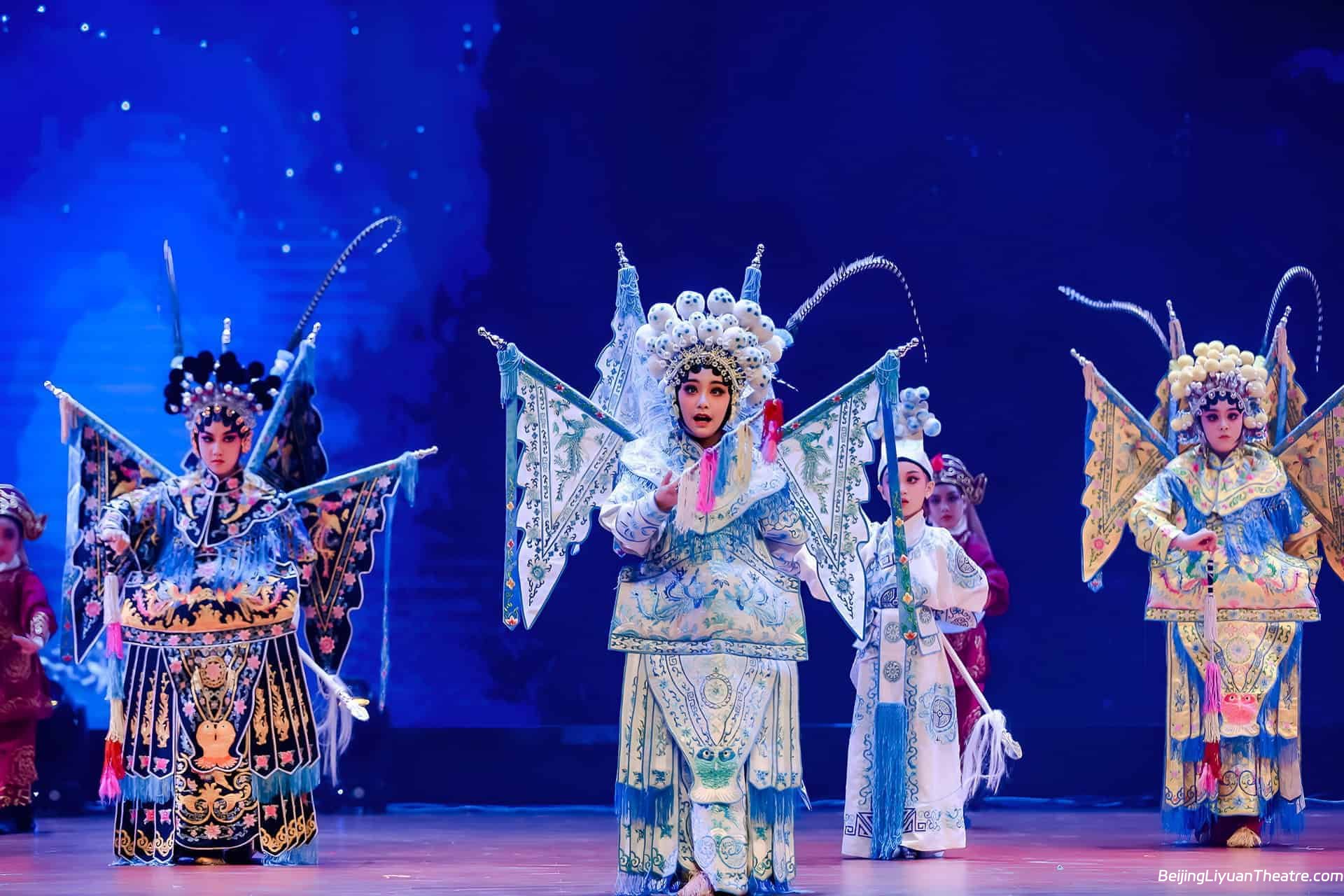
The impact of watching live is far greater than watching on screen. The moment Yang Bajie appears on stage, the audience gasps in amazement – her headpiece sparkles under the lights, and her costume is exquisitely beautiful. No wonder ancient nobles loved to visit theaters in their leisure time. Even in today's world with countless entertainment options, once the curtain rises, your eyes will still be locked firmly on the stage.
The protagonist of "Dismounting the Horse," Yang Bajie, is the youngest daughter of She Taijun. Her courtesy name is Chunhua, and she is ranked eighth in the family, hence the name Yang Bajie. She wields a pear-blossom inlaid golden spear. She is both a spirited young lady and a legendary female general of the Yang family.
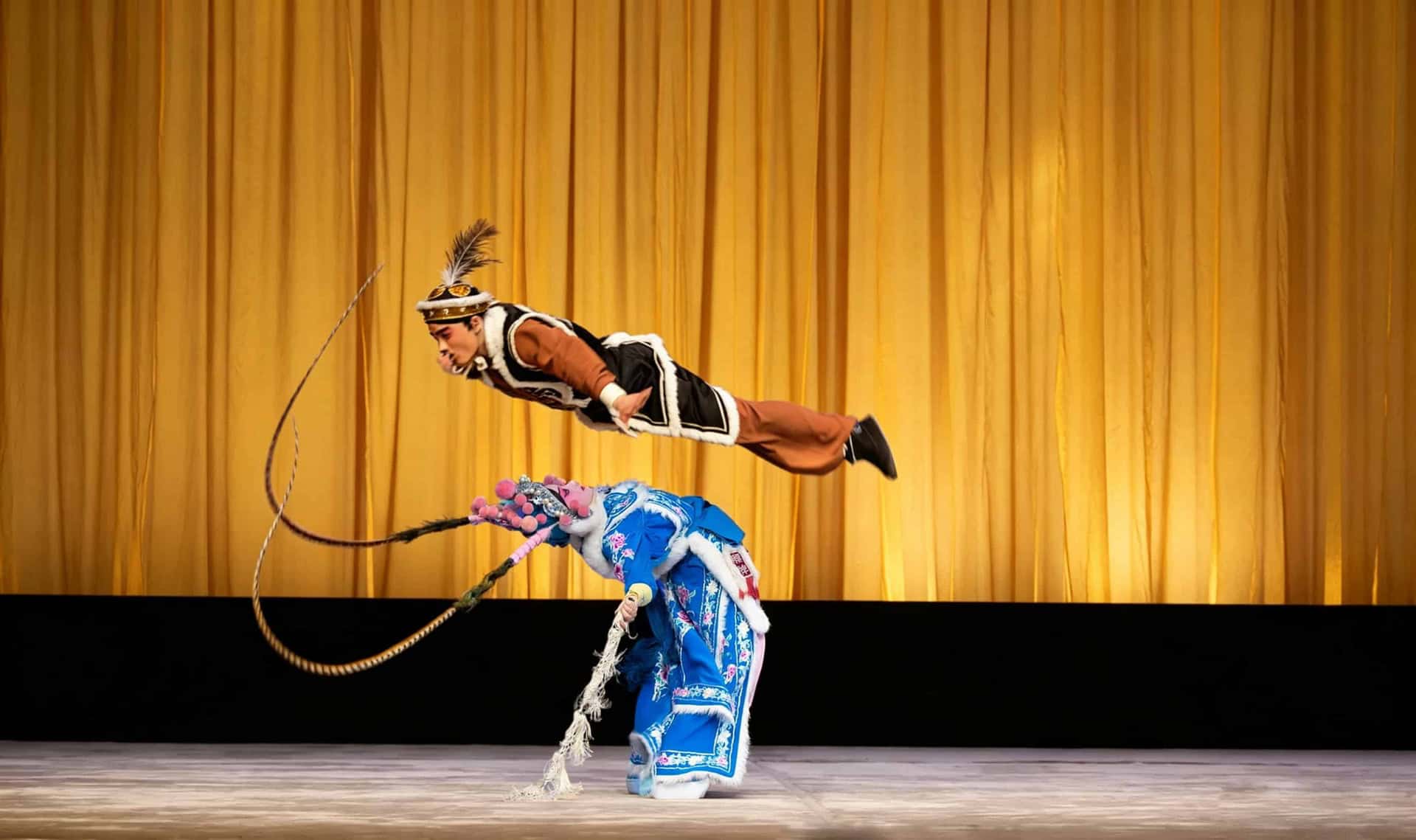
We especially recommend this piece to female audiences. The stories of the Yang family generals have mostly been told from the male perspective, while the legends of the Yang women warriors are rarely celebrated. "Dismounting the Horse" is a rare work that places the spotlight on a female general, showcasing the spirit that women are no less capable than men.
Throughout the performance, Yang Bajie appears charming in her costume, quick-witted, brave, and agile. In her combat scenes with Jiao Guangpu, she moves with speed and precision, gaining the upper hand in just a few exchanges. She rides alone with a sword to scout enemy intelligence – though she is a woman, she is in no way inferior to any male general. Even more remarkable is that the play does not emphasize her gender but simply portrays her as a general. In the context of current discussions on feminism and gender equality, this piece feels especially meaningful.
The clown role of Jiao Guangpu is equally impressive – a master of both singing and martial arts. He performs difficult stunts with lightness and ease, including somersaults and balancing on chair backs. Every move is executed with true skill, drawing rounds of applause from the audience. He is an indispensable highlight of this performance.
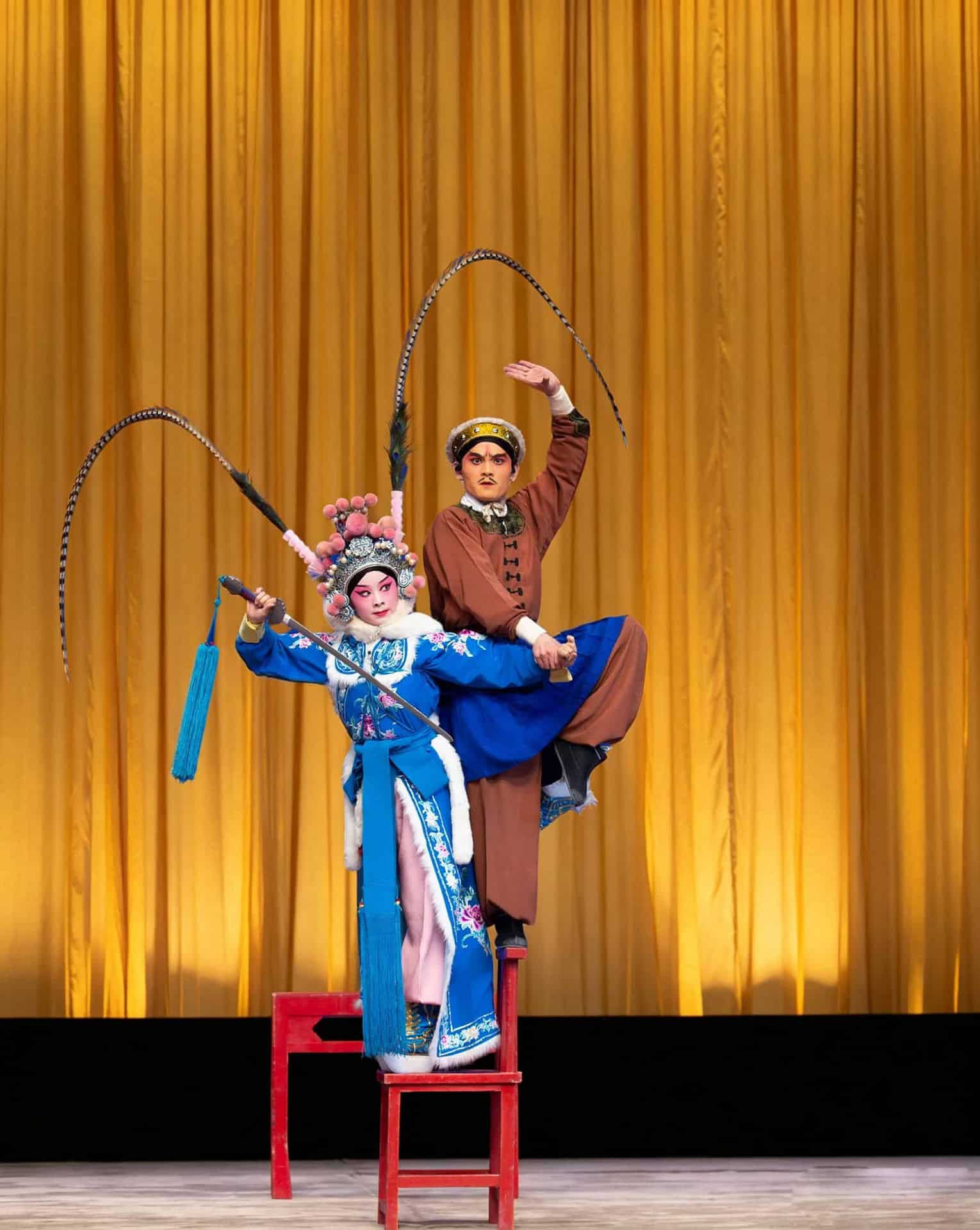
If you have any preconceived notions that Peking Opera is boring or hard to understand, "Dismounting the Horse" should be your top choice. The plot is simple, the length is moderate, and the martial arts scenes are highly entertaining – even children will be thrilled and excited.
Second Excerpt: "The Story of the Black Pot"
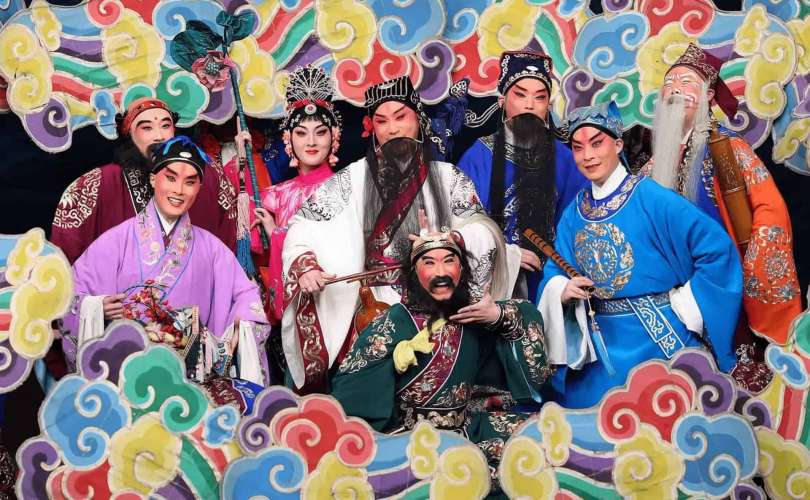
The ghostly appearance of Liu Shichang is truly striking – draped in black gauze, his presence instantly commands attention. Many audience members who knew little about Peking Opera were curious about how the ghost would be portrayed, and the result was stunning. The actor stood tall and upright, projecting not a sense of gloom but rather an air of righteousness.
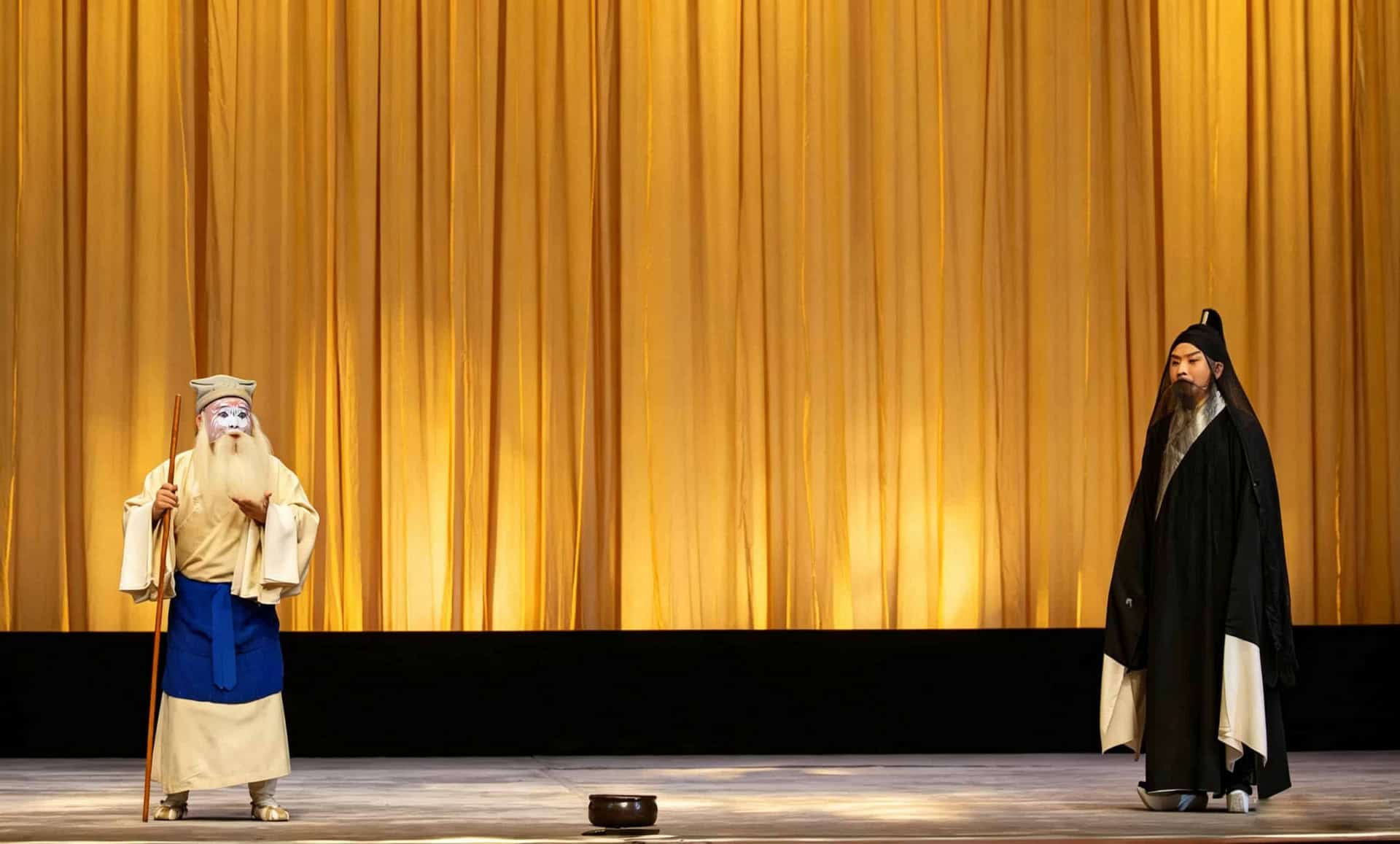
The couple Zhao Da and his wife are equally brilliant – the wife is sharp and cunning, while the husband is simple-minded but wicked. Their smug expressions after committing murder for money are both villainous and hilarious. When Zhang Biegu first discovers that the black pot can speak, his trembling reaction is rhythmic and comical, making him a lovable old rogue.
This excerpt completely overturns the impression that Peking Opera is dull and tedious. Well-placed comic relief, lively performances, and even contemporary-sounding dialogue kept the audience laughing throughout. The solo performance of Judge Zhong Kui, inserted in between, serves as the finishing touch.
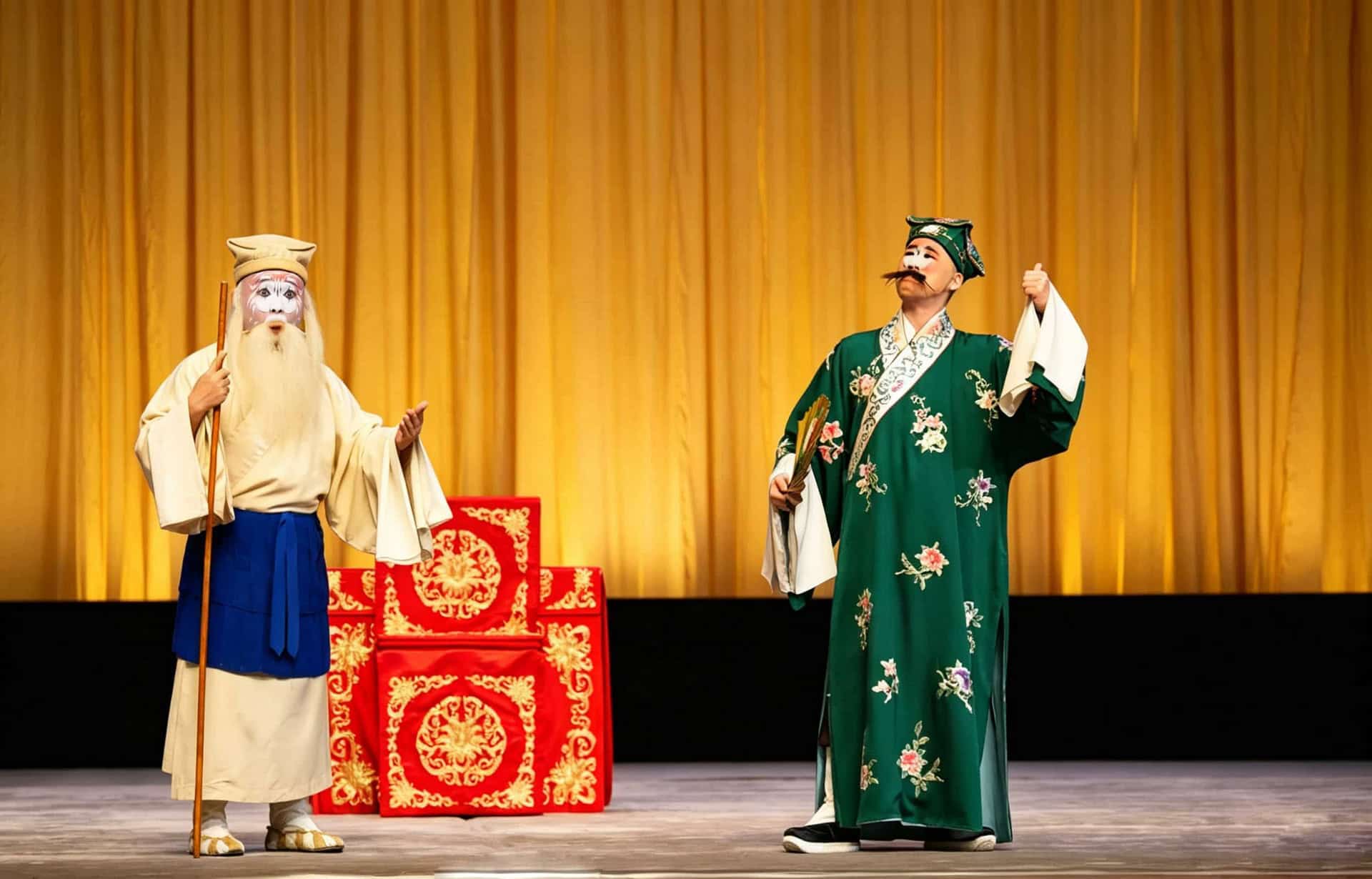
Although the overall tone of "The Story of the Black Pot" is heavy, the lighthearted interludes create a darkly comedic effect that delighted the audience. However, it is worth noting that this piece is quite long – the first five scenes alone last an hour and a half – making it an excellent candidate for serialized viewing.
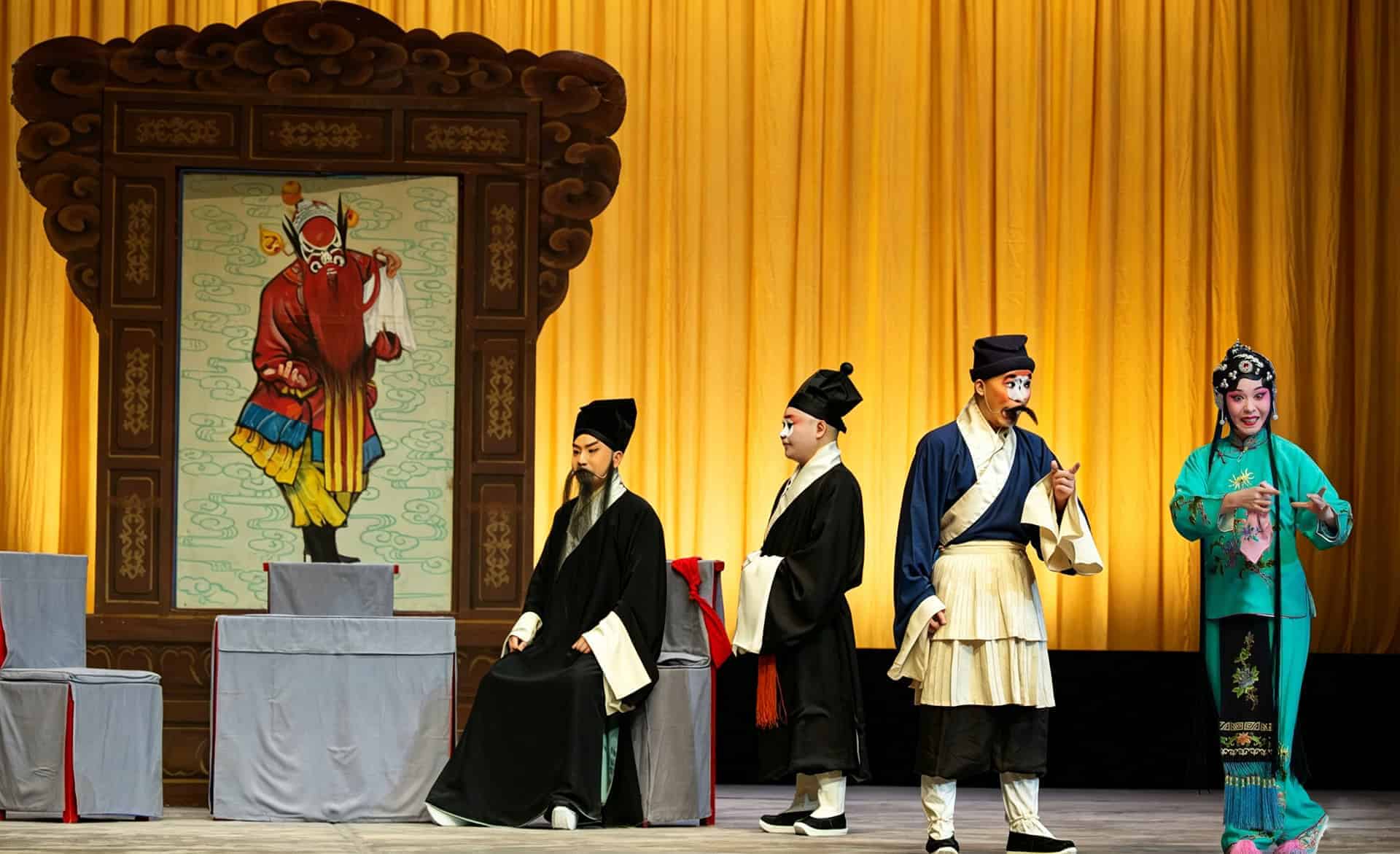
The quintessence of Chinese culture is undeniable – every pose, every movement, every gesture is breathtaking. The storylines of classic works have stood the test of time. Great works of art possess the power to transcend time and space.
In Beijing, how can you not come to Liyuan Theater to watch a Peking Opera? We are here, waiting for you!