The Quintessential Peking Opera Experience
In the heart of Beijing's historic Xicheng District, tucked within the walls of the Qianmen Jianguo Hotel, lies a cultural treasure that has introduced millions of international visitors to the soul of Chinese performing arts. Beijing Liyuan Theatre, established in October 1990, is not merely a performance venue—it is the city's first teahouse-style Peking Opera theatre, a place where the line between spectator and participant blurs, where the aroma of jasmine tea mingles with the stirring melodies of ancient Chinese instruments.
For over three decades, Liyuan Theatre has earned its reputation as a cultural landmark, often mentioned in the same breath as the Forbidden City and Peking duck as an essential Beijing experience. Watching a Peking Opera performance here is as integral to understanding Beijing as exploring its imperial palaces or savoring its signature cuisine—a cultural trifecta that no visitor should miss.
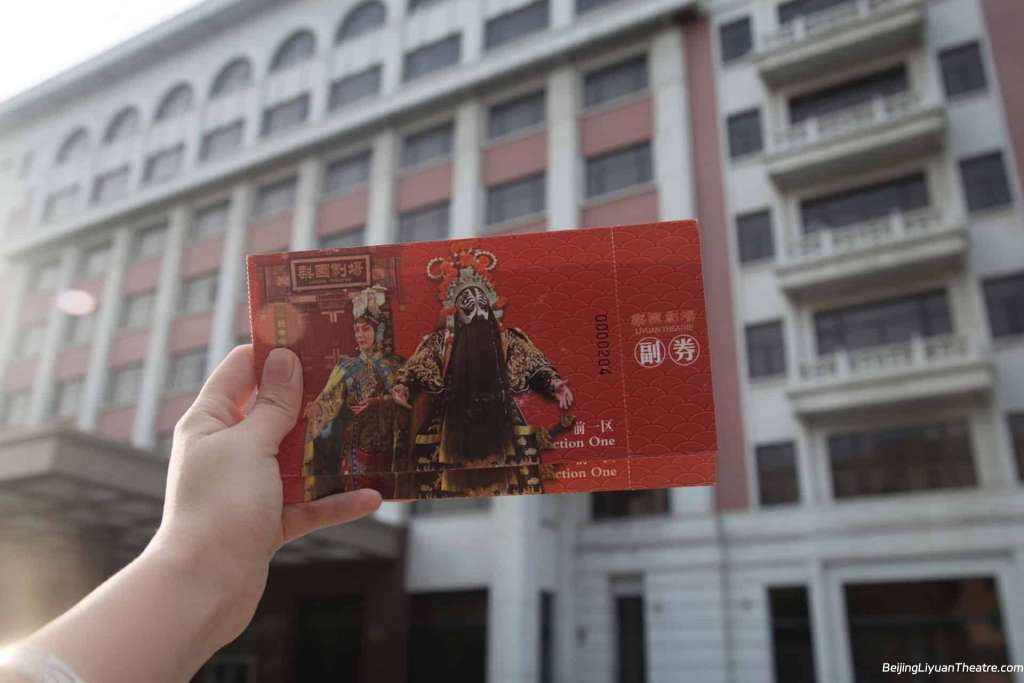
The Birth of an Idea: How Liyuan Theatre Came to Be
The story of Liyuan Theatre begins with a problem. In the late 1980s, Beijing's tourism industry faced a common refrain: "During the day, visit temples; at night, go to sleep." The city's evening entertainment offerings for international tourists were severely lacking.
Meanwhile, the Qianmen Hotel—one of Beijing's "Eight Great Hotels" built after the founding of the People's Republic in 1949—contained an auditorium that had outlived its original purpose. Once used for government meetings, the space had fallen into disuse and was eventually converted into a storage warehouse.
A bold decision by the Beijing Municipal Tourism Bureau and the Beijing Bureau of Culture changed everything. The tourism bureau director and the deputy director of the culture bureau (who also served as president of the Beijing Jingju Theatre Company) made a decisive call: transform this warehouse into a high-end theatre dedicated exclusively to Peking Opera, operating 365 days a year.
On October 8, 1990, Liyuan Theatre—named after the traditional term for the theatrical profession, "Liyuan" (Pear Garden)—opened its doors.
Defying the Odds: The Early Years
The decision was far from obvious. In 1990, both the Peking Opera market and the tourism performance market were far less developed than they are today. The idea that a theatre could sustain itself by performing Peking Opera every single night seemed, to many, impossible.
The early days were indeed challenging. The celebratory opening drums had barely faded when the tourist off-season arrived. At its lowest point, the 1,000-seat theatre hosted only a dozen or so audience members—fewer than the number of performers on stage. Yet the theatre adhered to its founding principle: even if only one person shows up, the show must go on.
This commitment to consistency paid off. Travel agencies soon discovered that Liyuan Theatre was the only venue in Beijing where they could bring guests at any time and find a performance waiting. The parking lot of Qianmen Hotel filled with tour buses. During peak season, seats became impossible to secure without advance reservations.
The financial results spoke for themselves. Liyuan Theatre's revenue grew from 1.56 million yuan in its first year (1991) to 6.26 million yuan in 1999. By some estimates, one out of every ten international tourists visiting Beijing has experienced a performance at Liyuan Theatre.
A Gathering of World Leaders and Dignitaries
Liyuan Theatre's reputation extends far beyond the tourism industry. Over its more than three decades of operation, the theatre has hosted an impressive roster of international dignitaries, including:
Kim Dae-jung — President of South Korea
Toshiki Kaifu — Former Prime Minister of Japan
Alberto Fujimori — President of Peru
Lennart Meri — President of Estonia
These visits underscore Liyuan Theatre's role not merely as an entertainment venue but as a vital instrument of cultural diplomacy. The theatre has also welcomed countless foreign ministers, ambassadors, and business leaders, earning recognition as a showcase for China's most cherished performing art.
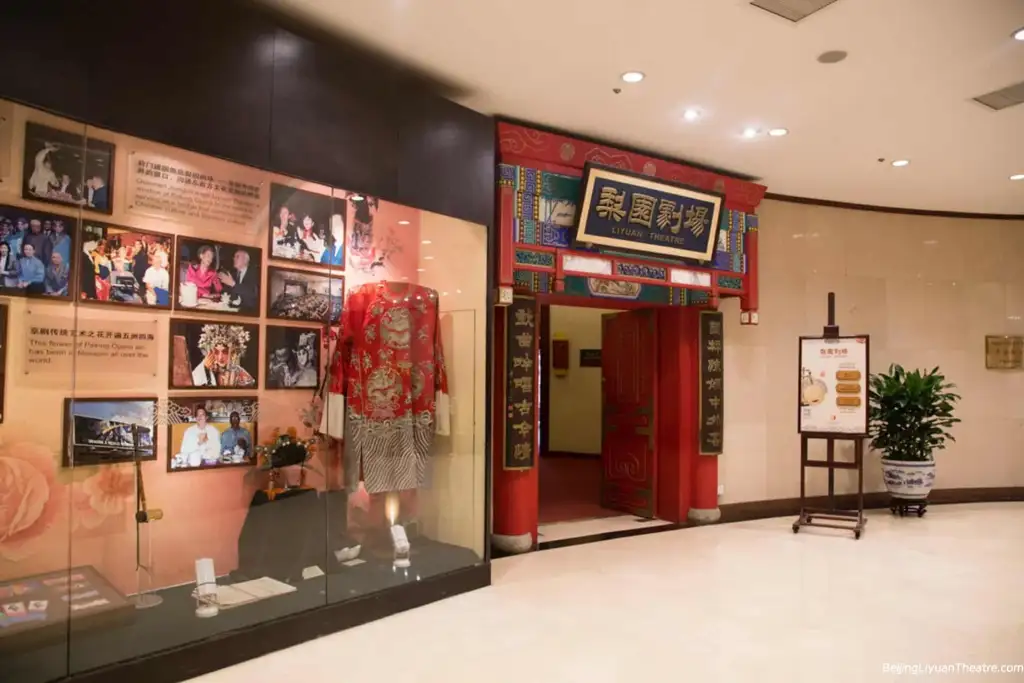
Official Recognition: The "Forbidden City Cup"
Liyuan Theatre's excellence has been consistently recognized by Beijing's tourism and cultural authorities. The theatre has won the "Capital Tourism Forbidden City Cup" (首都旅游紫禁城杯) award for "Best Evening Activity Venue" for eight consecutive years. It remains the first and only theatre in China to maintain year-round, daily Peking Opera performances at a scale exceeding 1,000 seats.
Prime Location: At the Crossroads of History and Modernity
Liyuan Theatre is located at No. 175 Yong'an Road, Xicheng District, Beijing—south of the Tian'anmen Square area, within the historic Qianmen-Jianguo Hotel. The hotel itself is a landmark, originally constructed in 1956 as one of Beijing's first modern hotels, and beautifully renovated in 2002 .
The surrounding area, known as Hufangqiao (Tiger Fang Bridge), is steeped in the cultural heritage of old imperial Beijing. This district is widely recognized as the birthplace of Peking Opera, making it an especially fitting location for a venue dedicated to this art form.
Transportation Access — Subway, Taxi, and Bus
By Subway (Recommended)
Take Subway Line 7 to Hufangqiao Station (虎坊桥站), Exit C. From the station, it is approximately a 10-minute walk to the theatre.
By Taxi
Taxis offer a comfortable option, particularly for groups or during inclement weather. Show the following address to your driver:
请送我到梨园剧场, 谢谢
"Please take me to Liyuan Theatre, thank you"
By Bus
Several bus routes serve the area. The Hufangqiao station is a common stop for buses including 6, 14, 15, 23, 66, 70, 102, and 105.
Theatre Facilities: Where Tradition Meets Comfort
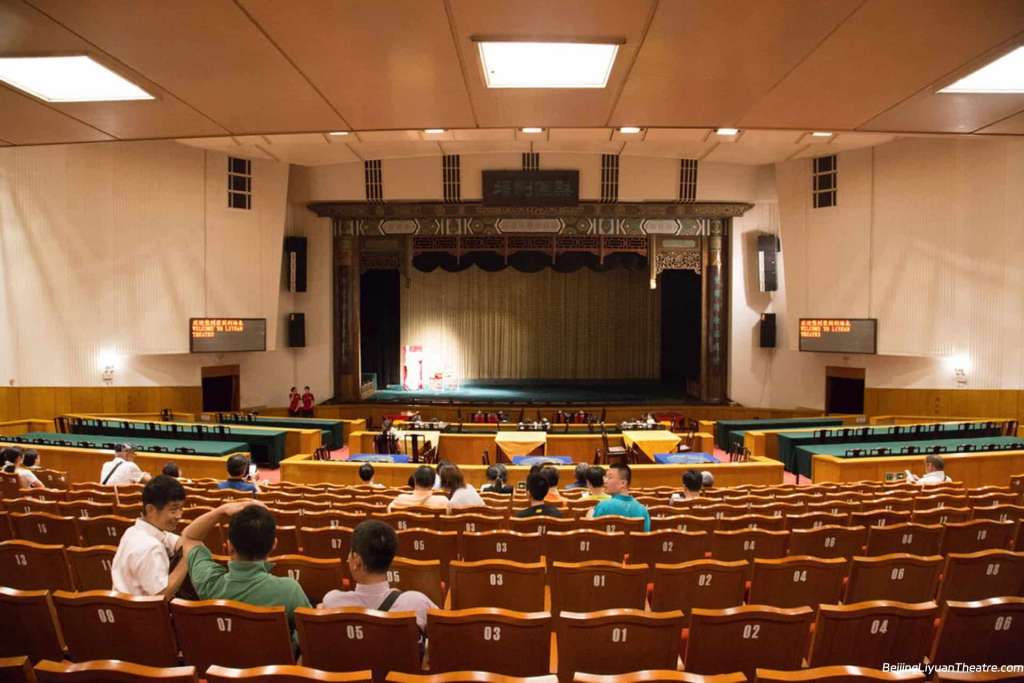
Liyuan Theatre is designed as a teahouse-style venue, consisting of three integrated sections: the performance hall, the exhibition hall, and the sales hall.
The Performance Hall (演出厅)
The performance hall is the heart of Liyuan Theatre. The stage measures 8 meters in height, 12 meters in width, and 7 meters in depth. On both sides of the stage hang couplets composed by renowned dramatist Weng Ouhong (1908–1994) and executed in calligraphy by Liu Bingsen (1937–2005)—a pairing of two of modern China's most distinguished cultural figures.
The auditorium is decorated with eight large Peking Opera facial masks and painted folding screens depicting characters from 14 classic operas. The seating capacity is approximately 800 to 1,000, with three price zones.
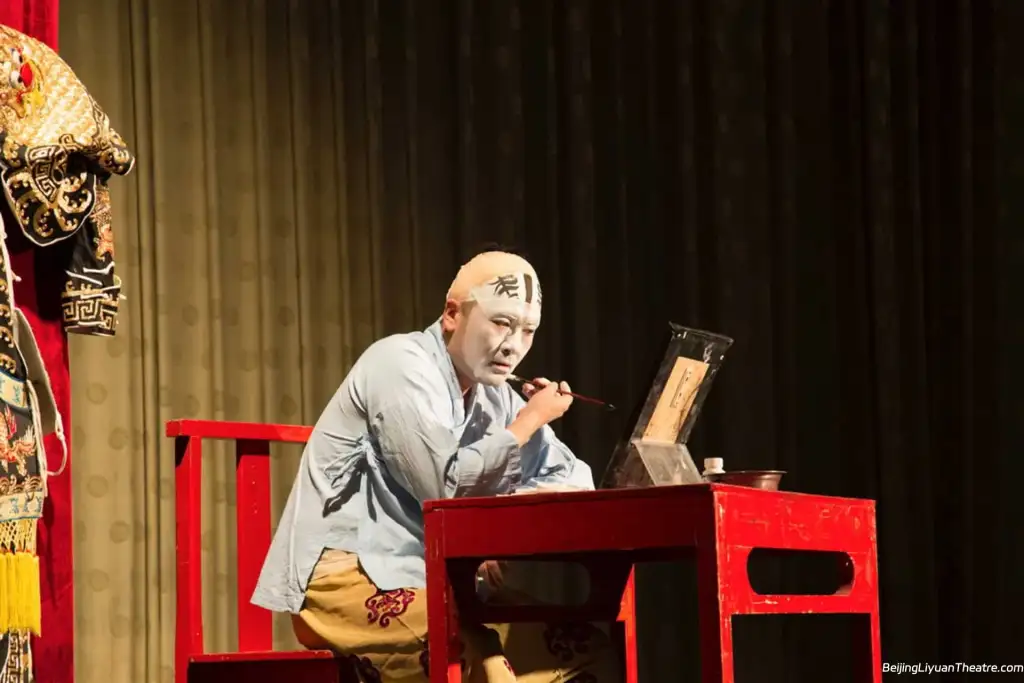
The Teahouse Experience: "Ba Xian Table"
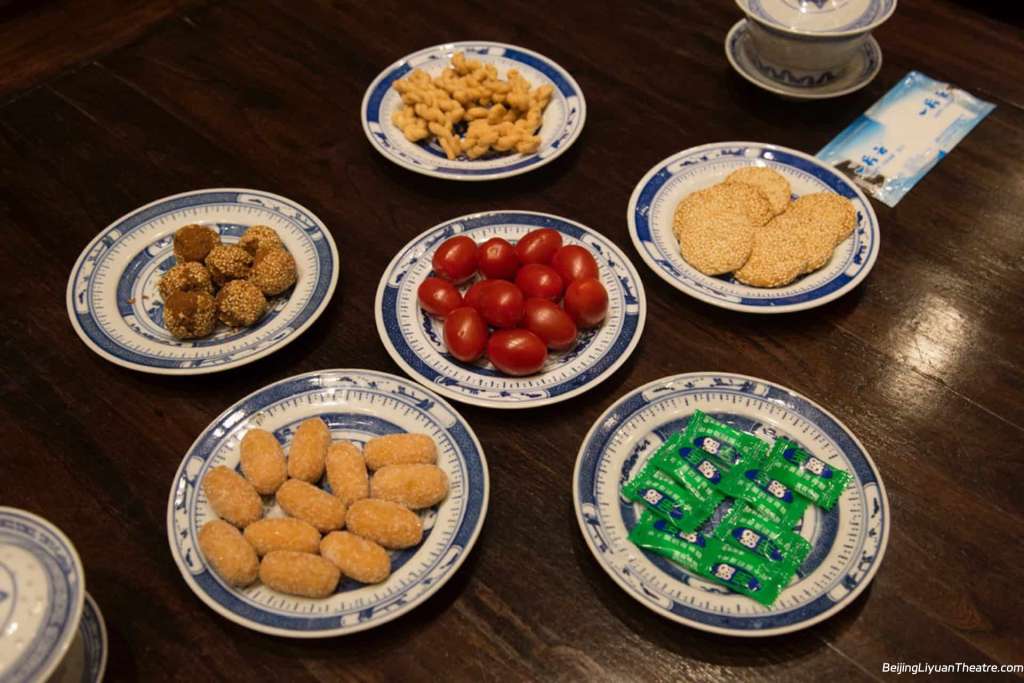
The most distinctive feature of Liyuan Theatre is its seating arrangement. Around the auditorium, traditional "ba xian tables" (八仙桌)—square tables that seat eight people—are arranged in the style of old Beijing teahouses. Here, audiences are served:
Traditional Chinese teas — Poured by waitstaff in Tang-style attire using long-spouted copper teapots
Beijing snacks — Small plates of local delicacies to enjoy during the performance
Hot towels — A traditional pre-show refreshment
This teahouse format, which was revolutionary and somewhat controversial when introduced in 1990, has since become a hallmark of the "Liyuan model" and has been widely imitated by later venues.
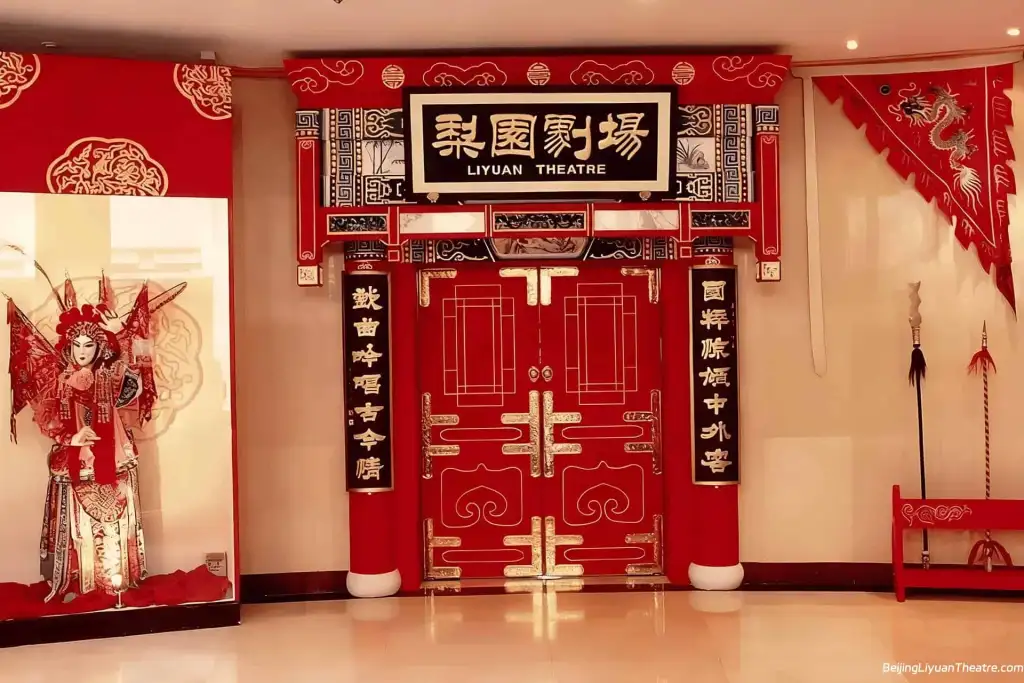
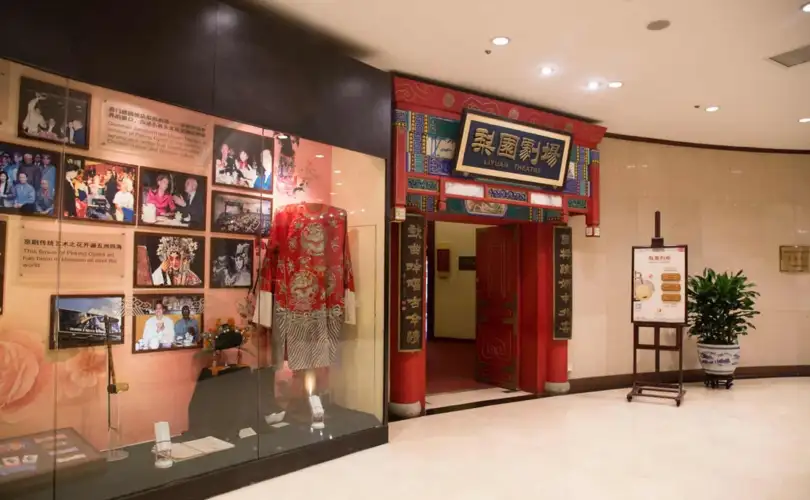
The Exhibition Hall (展示厅)
Before the performance or during intermission, visitors can explore the exhibition hall, which displays a history of Peking Opera's 200+ year development. Exhibits include:
Historical photographs of legendary performers
Explanations of the Four Main Role Types: Sheng (male), Dan (female), Jing (painted face), and Chou (clown)
Information on Peking Opera's regional origins and evolution
All displays include English translations, ensuring international visitors can fully appreciate the context of the art they are about to witness.
The Sales Hall (展卖厅)
The sales hall offers an array of Peking Opera-themed souvenirs and hands-on experiences:
Peking Opera masks — Miniature reproductions of iconic facial designs
Costume wearing — Visitors can dress in traditional opera costumes
Facial makeup painting — Professional makeup artists can apply traditional Peking Opera face paint for photography
Souvenirs — Program booklets, fans, musical instruments, and other memorabilia
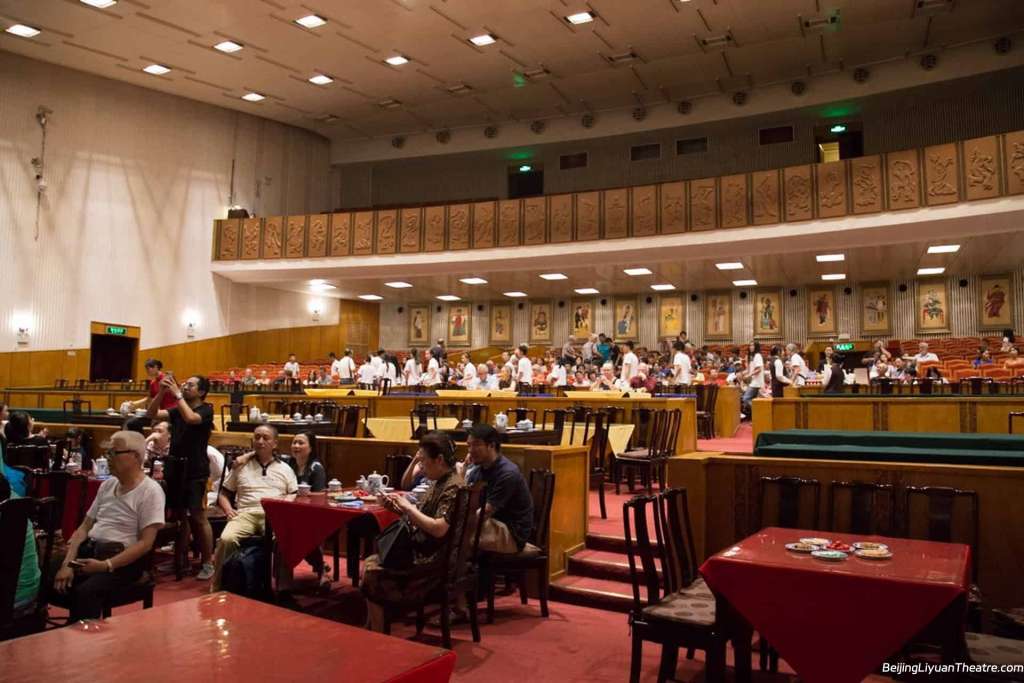
The World-Famous Peking Opera Show
Performance Schedule
Liyuan Theatre presents Peking Opera performances daily at 7:30 PM, except for Chinese New Year's Eve (when the theatre follows the traditional opera industry custom of "sealing the trunk" and taking a break).
Show Duration:
Approximately 60 to 75 minutes—carefully calibrated to accommodate tourists who may be tired after a day of sightseeing .
Note:
Shows sometimes sell out, particularly on weekends and during peak tourist seasons (May–October, Chinese New Year, and National Day holidays). Advance booking is strongly recommended.
Program Selection: A Focus on Visual Spectacle
Liyuan Theatre's programming philosophy has been refined over decades of observing international audience reactions. Early on, the theatre learned that two-hour performances of classic repertoire, even when performed by the finest artists, could lose foreign audiences who lacked deep background in the art form .
The current programming approach prioritizes:
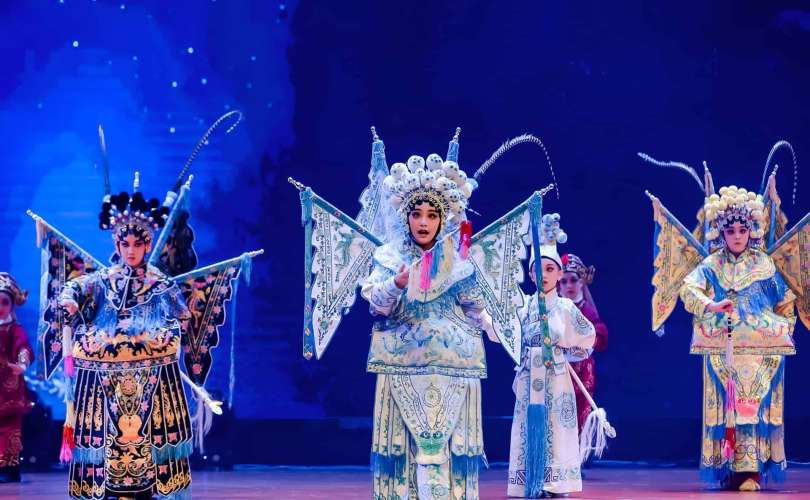
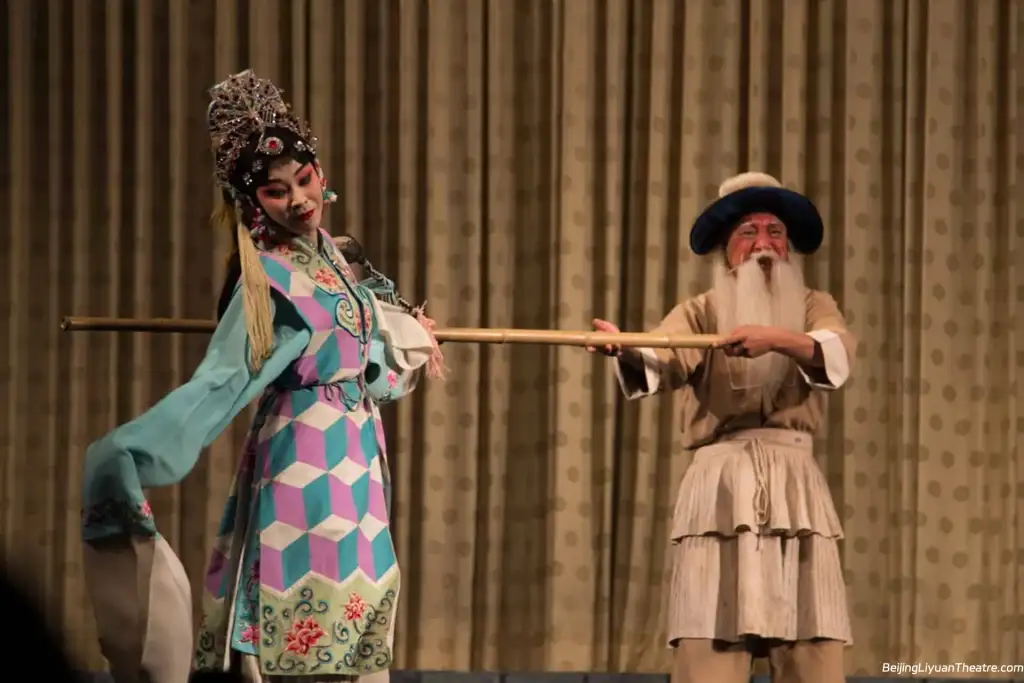
Martial arts scenes (wu xi) — Action-packed sequences that transcend language barriers
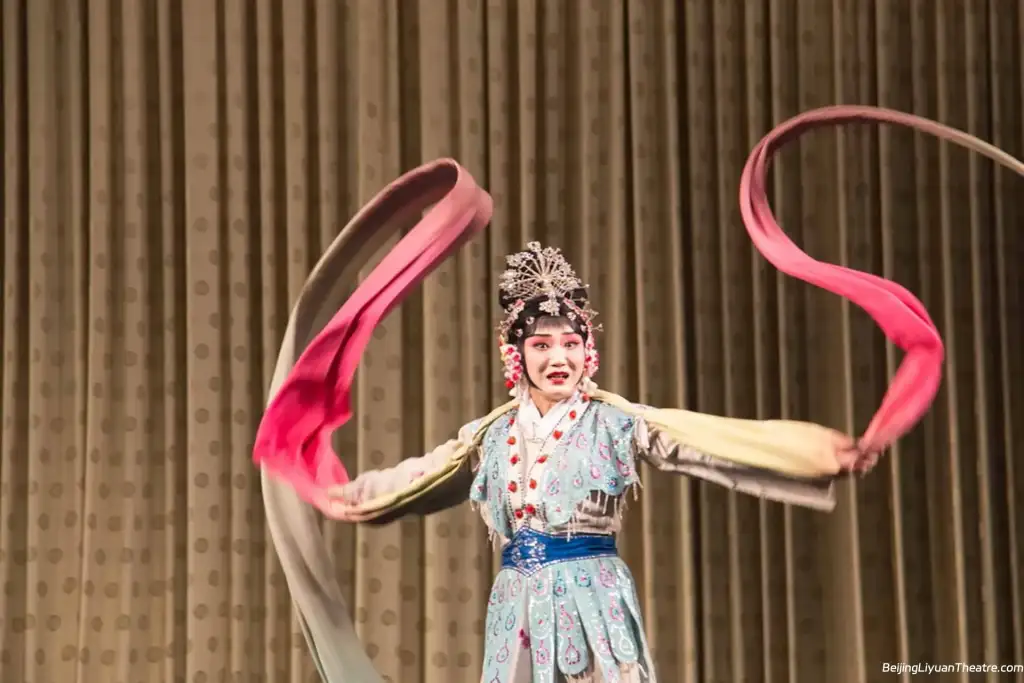
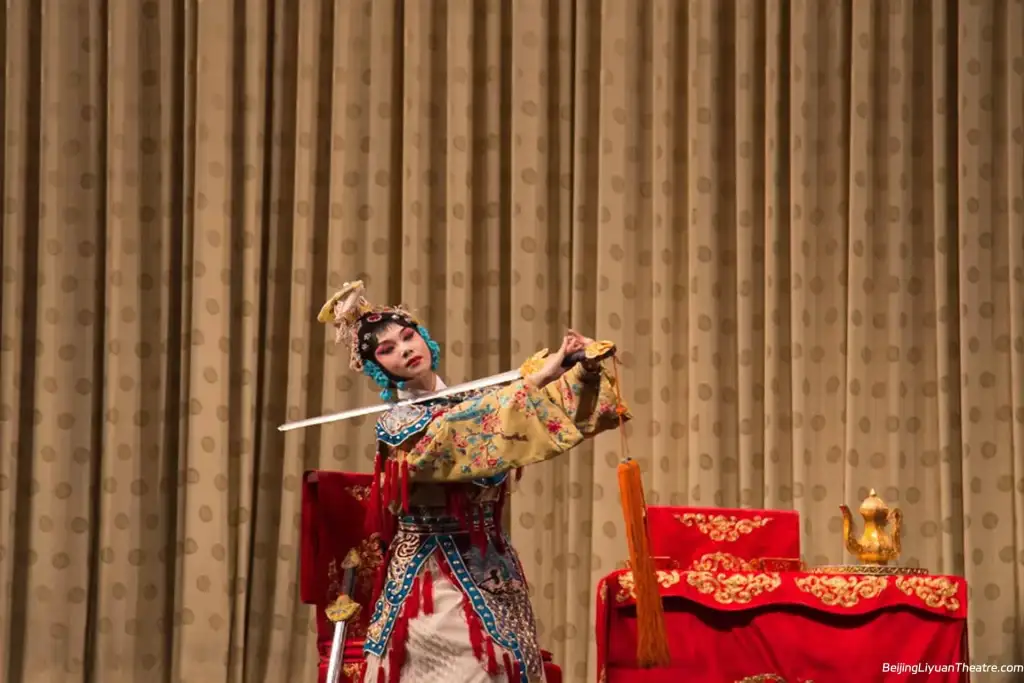
Bright, colorful costumes and staging — Visual appeal that captivates instantly
Shorter individual segments — Opera highlights rather than full-length productions
High-energy performances — Emphasis on movement, acrobatics, and spectacle
This approach has proven successful. Beijing Jingju Theatre Company maintains four full troupes that rotate through Liyuan Theatre, with annual performance revenues exceeding 2 million yuan—a vital source of financial support for the company.
English Subtitles and Translation Services
Liyuan Theatre is equipped with electronic display screens that present librettos in both Chinese and English. For group tours, the theatre also provides simultaneous interpretation equipment for English and Japanese.
The reopening in 2024 reaffirmed the theatre's commitment to international accessibility, with both Chinese and English subtitles provided for all performances.
Behind the Scenes: The Art of Peking Opera Makeup
One of the unique features of Liyuan Theatre is the opportunity to visit the performers' makeup rooms before the show. Here, visitors can:
Watch as performers apply their intricate facial makeup—a process that can take up to an hour
Learn about the symbolic meanings of different colors:
Red — Loyalty and courage
White — Cunning and treachery
Black — Integrity and uprightness
Blue/Green — Violent tendencies or demons
Gold/Silver — Supernatural beings or gods
This behind-the-scenes access, once a closely guarded tradition, provides invaluable context that deepens appreciation of the on-stage performance.
Pre-Show Experience: The Teahouse Welcome
As guests enter the theatre, they are greeted by:
Staff dressed in traditional Tang-style clothing
A "Sun Wukong" (the Monkey King) in full costume offering photo opportunities
Attendants dressed in traditional opera maiden costumes warmly welcome visitors as they enter.
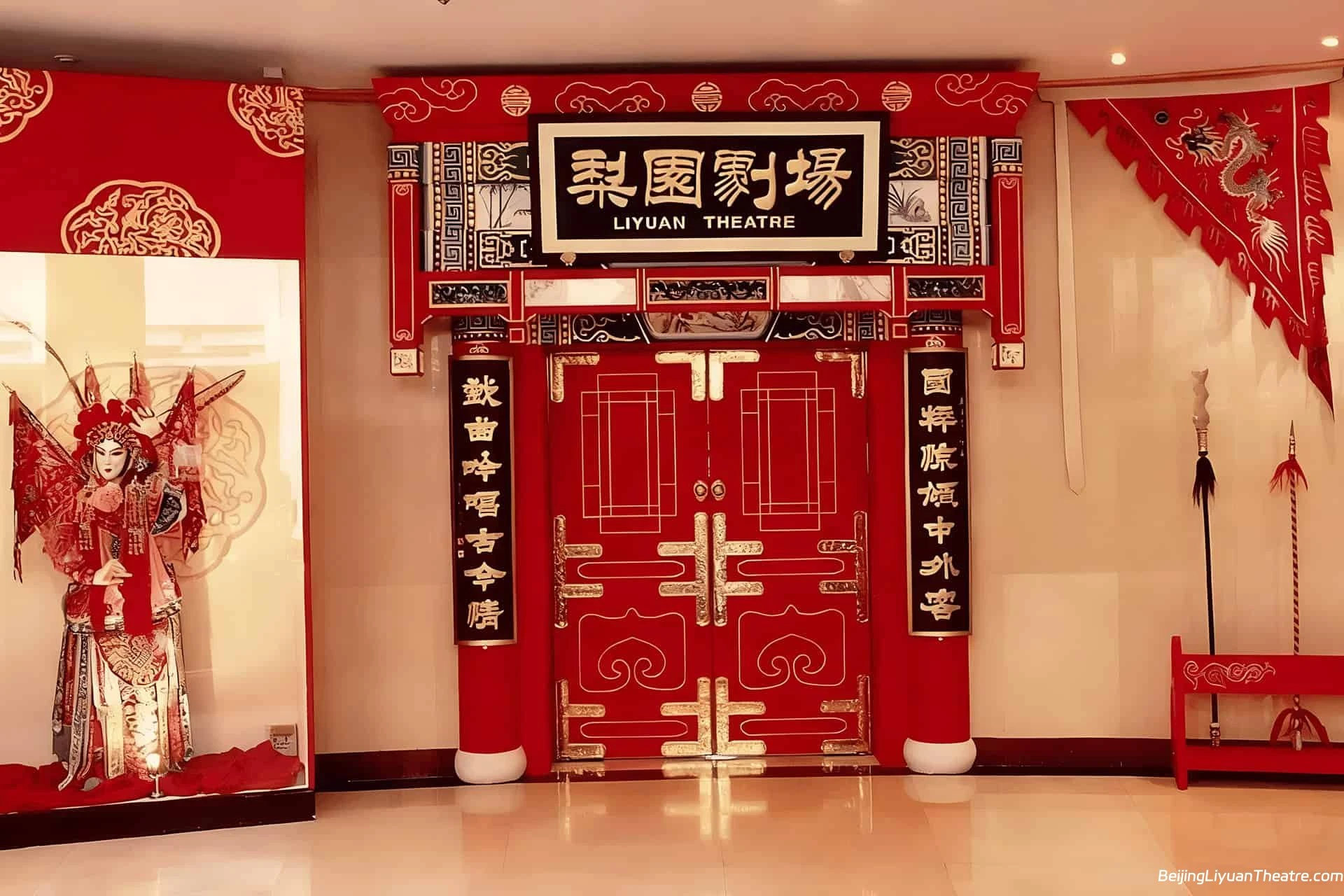
A freshly painted ornamental gate with hanging flower motifs (known as "chuihua men") and a giant Peking Opera mask face installation in the hotel lobby immediately signal that guests have entered a world of traditional Chinese performance art.
The Liyuan Theatre Experience: What to Expect
Before the Show (6:30–7:15 PM)
Arrive early — Plan to arrive at least 30 minutes before showtime
Visit the exhibition hall — Explore Peking Opera history displays
Watch makeup application — See performers prepare in their dressing rooms
Browse the sales hall — Shop for souvenirs or try costume/facial makeup experiences
During the Show (7:30–8:30 PM)
Take your seat — At traditional ba xian tables or in standard theatre seating
Enjoy tea and snacks — Served by Tang-attired waitstaff
Watch the performance — 60 minutes of martial arts, beautiful costumes, and stirring music
Read the subtitles — English translations on electronic displays
After the Show
Meet the performers — Photo opportunities with costumed artists
Visit the sales hall — Purchase souvenirs or schedule a makeup session
Dinner options — The Qianmen Jianguo Hotel's Chinese restaurant serves Beijing roast duck and other delicacies
Visitor Testimonials: What Guests Say
Ryan Howard, Developer:
"It was so exciting for me to try something new and finally experience a traditional Peking Opera show. I was amazed by the beautiful costumes and the expressive music. I truly appreciate the excellent service and the friendly staff who made this cultural evening so special for me."
Sienna Matthews, Designer:
"What a great way to escape the city for an evening with a friend! The Peking Opera show was a beautiful journey into another world. Thank you for such an amazing cultural experience and for helping us understand the story – you really know your audience!"
John Walker, Manager:
"I loved the cultural adventure we had during our evening at the Peking Opera show! Thank you for the wonderful show and the beautiful program booklet that carries the most amazing memories of this traditional art form."
Jessica Moore, Art Director:
"A beautiful introduction to traditional Chinese culture. The costumes and music were unforgettable."
The "Liyuan Model": A Legacy of Innovation
Liyuan Theatre's success has spawned countless imitators. Chang'an Grand Theatre, Huguang Guild Hall, Zhengyici Opera Building—all owe a debt to the template Liyuan pioneered: combining high-quality Peking Opera performance with teahouse service, tourist-friendly programming, and souvenir sales .
Yet Liyuan retains distinct advantages:
First-mover advantage — The most recognized name among international visitors
Location within a hotel — Seamless integration of accommodation and entertainment
Scale — Largest daily-performance Peking Opera venue in Beijing
Consistency — 364 performances per year for over 30 years
Official status — A government-designated tourism performance venue with institutional support
As the hotel's general manager noted in 2000: "After ten years of accumulation, Liyuan still holds advantages in name recognition, theatre scale and quality, performance standards, and credibility. Liyuan remains the leader in today's tourism performance market".
The 2024 Reopening: A New Chapter
In May 2024, Liyuan Theatre reopened after a period of renovation, presenting the classic Peking Opera piece "The Eight Immortals Crossing the Sea" performed by the Jingju Theatre Company of Beijing. The reopened theatre continues to:
Welcome inbound tourists with renewed facilities
Present martial arts-focused operas and classic excerpts
Provide both Chinese and English subtitles
Offer teahouse service with Beijing snacks and fine Chinese teas
Maintain a seating capacity of over 900
The 2024 reopening reaffirms Liyuan Theatre's position as a cultural bridge between China and the world—a place where visitors can "savor the authentic flavor of Beijing culture and enjoy the quintessential charm of the Peking Opera art".
Practical Information for Visitors
| Category | Details |
|---|---|
| Theatre Name | Beijing Liyuan Theatre (梨园剧场) |
| Address | 175 Yong'an Road, Xicheng District, Beijing (inside Qianmen Jianguo Hotel) |
| Chinese Address | 北京市西城区永安路175号前门建国饭店内 |
| Founded | October 1990 |
| Founders | Beijing Qianmen Hotel & Beijing Jingju Theatre Company |
| Seating Capacity | 800–1,000 |
| Performance Schedule | Daily, 7:30 PM (except Chinese New Year's Eve) |
| Show Duration | Approximately 60 minutes |
| Nearest Subway | Hufangqiao Station, Line 7, Exit C (10 min walk) |
| Languages | Performances with English subtitles; English/Japanese interpretation available |
| Key Features | Tea service, Beijing snacks, costume try-on, makeup experience |
| Annual Visitors | Approximately 300,000+ |
| Total Performances | Over 3,800+ (as of 2000); continues daily |
| Official Website | beijingliyuantheatre.com |
Ticket Information
Price Range: Various tiers available, typically 280/380/480/580 RMB
Inclusions (VIP packages available):
Performance admission
Tea service
Beijing snacks
Program booklet
Souvenir
Booking Recommendations:
Book online in advance for instant confirmation and guaranteed seats
VIP packages may include hotel pickup/drop-off within the 5th Ring Road
Surrounding Area: Pre- and Post-Show Activities
Nearby Attractions:
Tian'anmen Square — Approximately 2 km north
Forbidden City — Approximately 2.5 km north
Dashilan (Dàshílàn) — Historic shopping street, approximately 1.5 km east
Beijing Ancient Architecture Museum (Temple of Agriculture) — Nearby
Dining Options:
Qianmen Jianguo Hotel Chinese Restaurant — Famous for Peking duck
Numerous local restaurants serving Beijing cuisine, hot pot, and noodles in the surrounding Hufangqiao area
Why Liyuan Theatre Matters: Cultural Significance
Liyuan Theatre represents something profound: the successful integration of tradition with modernity, of art with commerce, of Chinese culture with global accessibility.
Before Liyuan, Peking Opera was increasingly seen as an esoteric art form, beloved by connoisseurs but inaccessible to the uninitiated. The theatre demonstrated that with thoughtful programming—shorter segments, visual spectacle, English subtitles—and a welcoming environment (tea, snacks, comfortable seating), Peking Opera could captivate international audiences who arrived knowing nothing about the art form.
More than 5 million visitors have experienced Peking Opera for the first time at Liyuan Theatre. For many, it is their only exposure to this UNESCO-recognized Intangible Cultural Heritage. The impressions formed here—of stunning costumes, of heroic stories told through gesture and acrobatics, of the distinctive melodies of jinghu and percussion—shape global perceptions of Chinese culture.
The theatre has also provided essential financial support to the Beijing Jingju Theatre Company, contributing nearly 2 million yuan annually to the preservation and continuation of this art form.
Conclusion: A Cultural Pilgrimage
For travelers seeking to understand the soul of Beijing, Liyuan Theatre offers an experience that cannot be replicated elsewhere. It is not a museum exhibit or a tourist trap but a living, breathing cultural institution where the traditions of old Beijing come alive every night.
Whether you are a first-time visitor to China or a seasoned traveler, whether you speak Mandarin or not a word, Liyuan Theatre welcomes you to step into a story where "every stitch sings". Here, surrounded by the fragrance of jasmine tea and the thunder of drums, you will witness an art form that has survived for two centuries—and, thanks to venues like this one, will thrive for centuries more.
Book your tickets today and discover why, for over 30 years, Liyuan Theatre has been the address for Peking Opera in Beijing.
Tea. Snacks. And 200 years of Chinese opera tradition.
Welcome to Liyuan Theatre in Beijing—where Peking Opera comes alive nightly since 1990. English subtitles provided.
🎭 Book your seat: beijingliyuantheatre.com
Built in 1990 | China's first teahouse-style Peking Opera venue | 800+ seats | English subtitles | Traditional ba xian tables | Makeup room access | Hosted world leaders
Experience Beijing's soul.
📍 Hufangqiao Station, Line 7, Exit C – 10 min walk
🎭 Daily shows at 7:30 PM
🍵 Tea & traditional snacks included
Don't just visit Beijing—experience it. Book your Peking Opera evening today.
Appendix: Quick Reference
| Category | Details |
|---|---|
| Established | October 1990 |
| Founding Partners | Qianmen Hotel, Beijing Jingju Theatre Company |
| Innovation | China's first teahouse-style Peking Opera theatre |
| Awards | 8x Capital Tourism "Forbidden City Cup" winner |
| World Leaders Hosted | Kim Dae-jung, Toshiki Kaifu, Alberto Fujimori, Lennart Meri |
| Annual Visitors | 300,000+ |
| Total Performances | 3,800+ (pre-2000); continues daily |
| Performance Days | 364 days/year (closed Lunar New Year's Eve) |
| Show Time | Daily 7:30 PM |
| Duration | 60 minutes |
| Seating | 800–1,000 |
| Languages | English subtitles, English/Japanese interpretation available |
| Key Experiences | Tea service, Beijing snacks, costume try-on, makeup viewing, souvenir shopping |
| Location | 175 Yong'an Road, Xicheng District (inside Qianmen Jiande Hotel) |